


Golf On Mars
4.567.00 Reviews
App Specs
- Version
- 1.0.11
- Updated On
- License
- $2.99
- Downloads
- 10,000+
- Developer
- Captain Games
- Categories
- Sports
- Platform
- Android, iOS
Screenshots
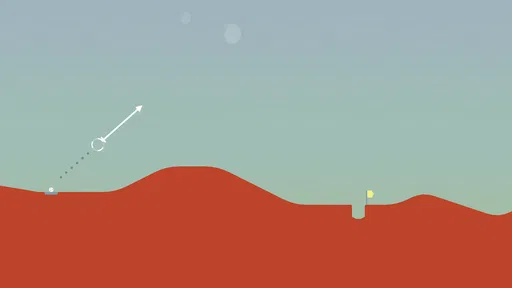
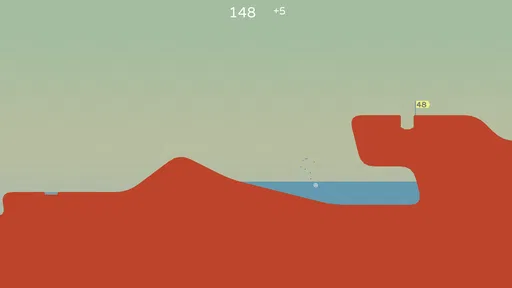
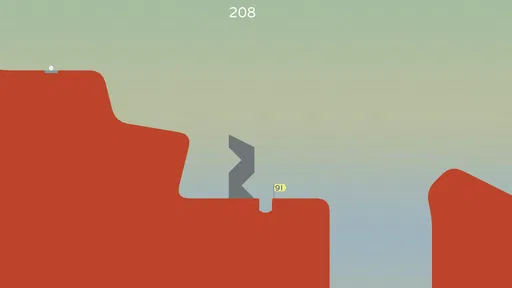
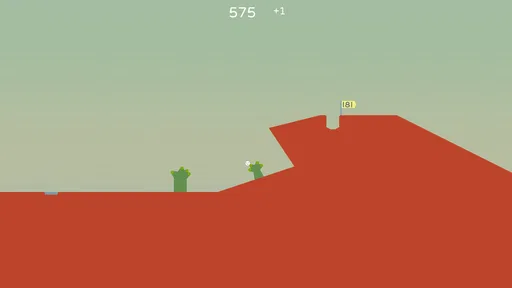
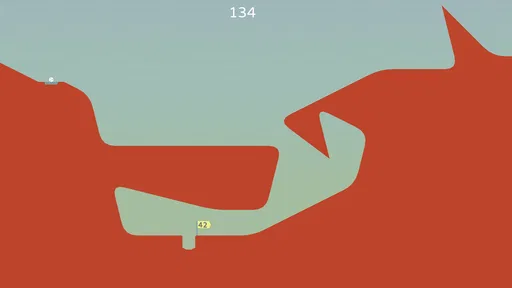
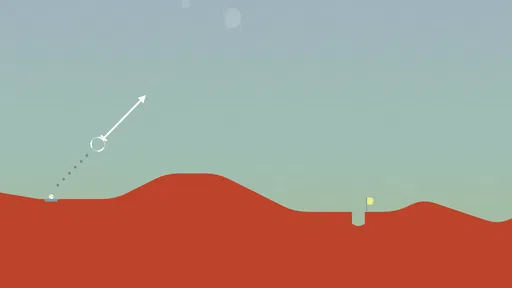
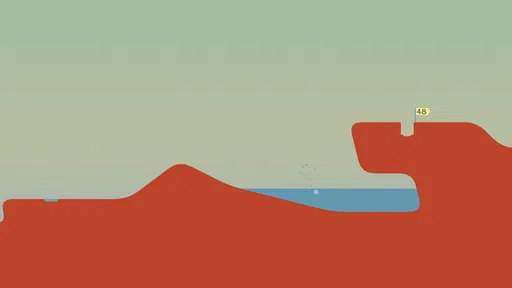
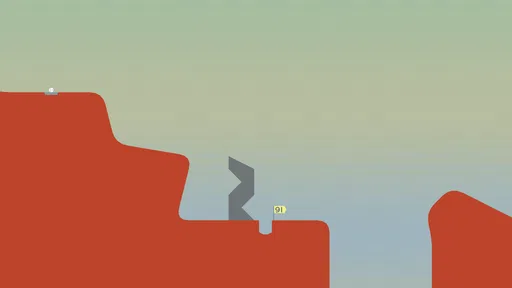
 Analysis by AppCompare
Golf On Mars is the kind of sports game I open when I want a quick round with a strange twist rather than a full golf simulation. Its central idea is simple: take familiar golf and move it to Mars, where the setting changes the mood and makes every shot feel a little less ordinary. Captain Games keeps the presentation focused, so I can get into a round without learning a complicated control system first.
After spending time with it, I see the game as a compact, paid alternative to the more crowded free-to-play golf games on Android and iOS. It is not trying to replace a detailed console-style golf simulation, and that is important to understand before buying it. Its appeal comes from short sessions, unusual atmosphere, and the satisfaction of improving through repeated attempts. If you enjoy experimenting with shots and learning a course by feel, it has a clear personality.
How a normal round feels
The baseline workflow is refreshingly direct. I choose a hole, study the layout, aim, adjust the strength of the shot, and watch the ball travel across the Martian landscape. The basic loop is easy to understand, which makes the game suitable for a few spare minutes. I do not need to prepare a long career session or manage a large collection of equipment before playing.
That simplicity does not make every shot automatic. The real work begins when I stop treating each hole as a single swing and start considering the landing area. A powerful shot may cover more ground, but it can also leave an awkward approach. A safer shot can set up the next one more effectively, especially when I am still learning how the course behaves. This is where the golf structure becomes more interesting than the science-fiction setting alone.
I recommend beginning with a relaxed first pass rather than immediately chasing the best possible result. My first attempt on an unfamiliar hole is mainly reconnaissance: I look at the route, notice where the ball tends to stop, and identify which parts of the terrain punish an overly ambitious swing. On the next attempt, I can make a deliberate change instead of repeating the same mistake.
That repeatable habit is one of the game's strongest qualities. A failed shot usually gives me something useful to remember. Perhaps I used too much force, aimed too close to an obstacle, or approached the target from an unhelpful angle. The game works best when I treat each round as a small experiment rather than expecting a perfect score immediately.
Why the Martian setting matters
The Mars theme is more than a decorative label, even though the core activity remains recognizable golf. The unusual environment gives the game a distinct identity and makes ordinary decisions feel slightly unfamiliar. I am not simply replaying a conventional green with a different background; the setting encourages me to pay attention to the space around the target and to think about the route in a more exploratory way.
Worth Reading Before You Choose

EA SPORTS FC Mobile 26 Is a Bigger Football Game, but It Takes Time

Flipboard Shows What News Apps Must Do Beyond the Feed

Switching to Android Auto Means Rethinking Your Driving Routine

Google Calendar Makes a Crowded Week Easier to Manage

Ludo King Makes the Most of the Minutes Between Plans

Baby Panda World Brings Quick Play to Modern Phones, but Its Game Library Feels Busy
Still, players looking for a deep space adventure may find the premise lighter than expected. This is a golf game first. The Mars concept supplies atmosphere and curiosity, but it does not turn the title into a story-driven exploration game. I would choose it for the shot-by-shot challenge, not for character development, narrative missions, or a large science-fiction world.
Settings and controls worth checking
Before settling into longer sessions, I suggest checking the available control and presentation options rather than assuming the default setup will suit everyone. Small changes in how the game feels on a particular phone can make repeated aiming less tiring. I pay attention to whether the screen gives me enough room to judge direction comfortably and whether the control response feels predictable with my usual grip.
This is especially useful on a smaller display. Golf depends on careful visual judgment, and a crowded or uncomfortable view can make a fair challenge feel more awkward than it should. I also prefer to play with the screen clean and distractions reduced, because a mistimed touch is more frustrating when the mistake comes from handling the phone instead of reading the hole.
There is a practical reason to avoid changing several things at once. If I alter the control approach, playing position, and shot routine together, I cannot tell which change helped. Experienced players will get more from the game by making one adjustment, testing it over several attempts, and keeping the setup that produces the most consistent results.
Another useful check is the device itself. The game supports Android starting with version 5.0, which makes it accessible on a broad range of compatible phones and tablets. That does not guarantee identical comfort on every screen, so I would still judge the experience by how clearly I can aim and follow the ball on my own device. A technically compatible device may not be the most pleasant one for careful play.
Building a faster shot routine
When I want to play more efficiently, I use a short routine before every swing. First I identify the target and the safest useful landing area. Then I choose whether the shot should prioritize distance or position. Finally I make one controlled adjustment and commit. This keeps me from endlessly nudging the aim or changing my mind at the last second.
The fastest players are not necessarily the ones who rush. They are the ones who recognize familiar situations. Once I have seen a hole several times, I can remember a reliable opening shot and spend my attention on the approach. That turns the game from constant guesswork into a series of known decisions with room for refinement.
I also find it helpful to separate practice from scoring attempts. During practice, I try a more aggressive line simply to learn what happens. During a scoring attempt, I use the safer pattern unless the risk has a clear reward. Mixing those two mindsets often leads to unnecessary errors: I take an experimental shot while trying to protect a good result, or I play too cautiously when I actually need to recover.
Short sessions work particularly well here. A realistic everyday use case is a few rounds during a commute break or while waiting for an appointment. I can play without committing to a long multiplayer match or a substantial progression session. If I have more time, repeating a familiar hole gives me a focused goal: reduce mistakes, improve positioning, or find a cleaner route.
Where the challenge becomes more demanding
The advanced limit of the game is also part of its charm. The controls and structure are approachable, but the experience does not offer the depth of a full simulation. Players who want detailed club selection, extensive player customization, realistic tournament management, or a broad competitive ecosystem may eventually feel constrained. This is a focused game, not a complete virtual golf career.
That limitation affects replay value differently depending on the player. I can return because I enjoy improving my own decisions, but someone who needs constant unlocks, social competition, or a large stream of new systems may lose interest sooner. The game rewards mastery of its existing loop rather than continually adding layers around it.
The paid model changes how I judge that trade-off. Golf On Mars costs $2.99, so I expect a self-contained experience rather than the usual free-to-play pressure. For me, that is appealing because the price is clear at the start and the game can be approached as a small purchase for focused entertainment. However, anyone comparing it with free downloads should decide whether a quieter, more contained golf game is worth paying for.
The age rating is Everyone, which fits the straightforward sports concept and makes it an easy recommendation for households seeking a game without an older audience focus. I would still choose it based on play style, not only accessibility. A young player who enjoys repeating shots and learning layouts may have a good time, while a player of any age who wants constant action may find the measured pace too restrained.
Who will enjoy it most
I think the best audience is someone who likes casual sports games with a distinctive premise and enough precision to reward patience. It is a good match for players who enjoy trying the same challenge again with a better plan. The Mars setting helps it stand apart from ordinary golf apps, while the direct structure keeps it approachable when I only have a short amount of time.
It is also a sensible option for people tired of free-to-play golf games built around frequent prompts, currencies, or competitive pressure. The upfront price does not make the game automatically better, but it supports a calmer relationship with the experience. I can focus on the shot in front of me rather than worrying about a long-term spending loop.
On the other hand, I would skip it if my main goal were online competition, elaborate career progression, or highly technical simulation. A conventional golf game may be a better choice when I want authentic course management and a large set of realistic options. A faster arcade sports game may suit me better when I want instant spectacle instead of careful repetition.
What the ratings suggest, and what they cannot decide
The game holds a 4.5 average from around 358 ratings, with 67 written reviews, and has passed 10K+ installs. Those figures suggest that the focused concept has found an audience, but they should not replace personal judgment. A strong average can reflect genuine appreciation for the unusual setting and simple loop, while a player expecting a large simulation could still be disappointed.
Captain Games released it on Jun 18, 2020, and the current version is 1.0.11. I mention that context because this is best approached as an established, compact title rather than a constantly expanding service. The version information is useful when checking compatibility or deciding whether the game fits the kind of maintained experience I prefer, but it does not change the central recommendation: judge it by the quality of its focused rounds.
Small habits that improve the experience
My first practical tip is to remember the result of a shot, not just whether it succeeded. A ball that reaches the target may still leave a poor next position, while a shorter shot can create a much easier follow-up. Keeping that distinction in mind makes repeat attempts more intelligent and reduces the temptation to copy the strongest-looking swing every time.
My second tip is to use failed attempts as course notes. I mentally mark the places where an aggressive line becomes unreliable and the areas that offer a safer recovery. This is more valuable than simply restarting in frustration, because the next round then has a specific objective. The game becomes a small process of building personal knowledge.
My third tip is to avoid chasing perfection during every session. I get more enjoyment by choosing one improvement goal, such as cleaner opening shots or fewer risky approaches. That approach works well on a phone because it gives even a short play period a clear ending. I can stop after making progress rather than feeling that I needed to complete an enormous campaign.
There is also a useful trade-off between speed and consistency. A quick routine helps when I am playing casually, but slowing down for an unfamiliar hole prevents wasted attempts. I switch between those modes instead of forcing one pace across the entire game. That flexibility is what makes the simple controls more satisfying over time.
My final view after repeated rounds
Golf On Mars is strongest as a compact, paid sports game built around experimentation and repeatable improvement. I like that its identity is immediately clear, its rounds are easy to enter, and its unusual setting gives familiar golf a fresh tone. The direct design also makes it comfortable for everyday play when I want something more thoughtful than a reflex game but less demanding than a full simulation.
Its weaknesses are equally clear. The focused structure may feel narrow for players who need deep customization, online rivalry, or a long progression system. The Mars premise will not satisfy someone searching for a substantial science-fiction adventure, and the measured shot-by-shot pace can feel slow if I am in the mood for constant action.
For me, the purchase makes sense when I want a self-contained alternative to the usual golf apps. I would install it for short practice sessions, relaxed experimentation, and the pleasure of gradually finding better patterns. I would not choose it as my only golf game if I wanted realism or a large competitive community. Within its smaller ambition, though, Captain Games has made something distinctive enough to recommend to a friend who enjoys patient sports gameplay and a bit of planetary oddness.
Pros
- Simple controls make it easy to pick up and play.
- Short holes suit quick gaming sessions.
- Mars-themed visuals give the game a distinctive atmosphere.
- Low-pressure gameplay is relaxing rather than highly competitive.
- Physics create amusing and unpredictable shots.
Cons
- Limited variety may make the experience feel repetitive over time.
- Some shots depend heavily on trial and error.
- Minimal progression can reduce long-term motivation.
- The unusual physics may frustrate players seeking realistic golf.
- Small screens can make precise aiming more difficult.
FAQs for Golf On Mars
What is Golf on Mars?
Golf on Mars is a minimalist mobile golf game set on the surface of Mars. Instead of traditional courses, it presents a huge procedurally generated landscape filled with slopes, craters, and unusual terrain. The main objective is simple: hit the ball toward the hole using as few strokes as possible. Its clean presentation and relaxed pace make it feel more like an atmospheric exploration game than a conventional golf simulator.
How does the gameplay work in Golf on Mars?
The controls are designed to be simple and accessible. You generally aim by adjusting the direction of your shot, then control the power before releasing. The challenge comes from judging distance, elevation, slopes, and the unpredictable Martian landscape. Each shot requires some planning because a powerful swing may send the ball far beyond the target, while a weak shot can leave it trapped in difficult terrain.
Is Golf on Mars free to download and does it contain advertisements?
Golf on Mars is typically offered as a paid premium game rather than a free-to-play title. This means you should check the current price on the Google Play Store or Apple App Store before downloading, since pricing can vary by platform and region. The premium approach generally provides a cleaner experience, without the frequent advertising, energy systems, or aggressive in-app purchases found in many mobile games.
Can Golf on Mars be played offline?
Yes, Golf on Mars is well suited to offline play because its core gameplay does not depend on constant online communication. Once installed, you can usually enjoy a round without a Wi-Fi or mobile data connection, making it convenient for flights, commuting, or areas with poor reception. Store access, updates, and any platform-related services may still require an internet connection.
Is Golf on Mars suitable for casual players?
Golf on Mars is a good choice for casual players who prefer calm, uncomplicated games rather than competitive multiplayer or realistic sports simulations. The controls are easy to understand, but mastering the terrain takes patience and careful shot selection. Players looking for tournaments, character progression, detailed clubs, or online competition may find it too minimal, while fans of atmospheric and meditative experiences will likely appreciate its distinctive style.


